Where flooding can come from
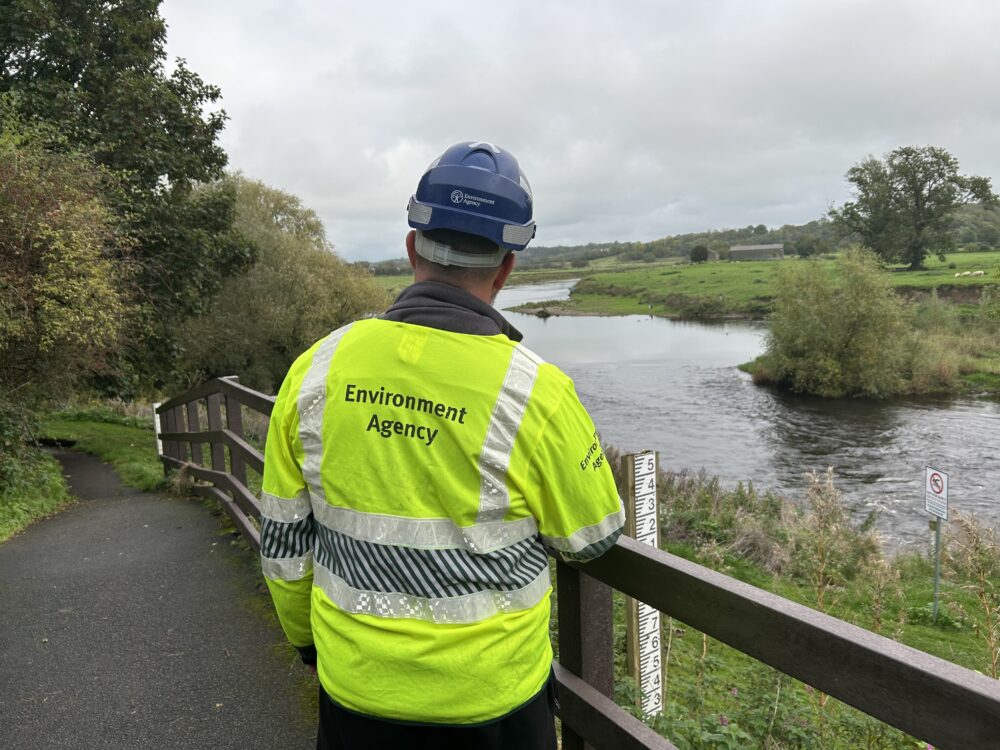
Knowing where flood water could come from makes it easier to plan ahead, protect what matters most and make informed decisions before, during and after a flood.
River flooding
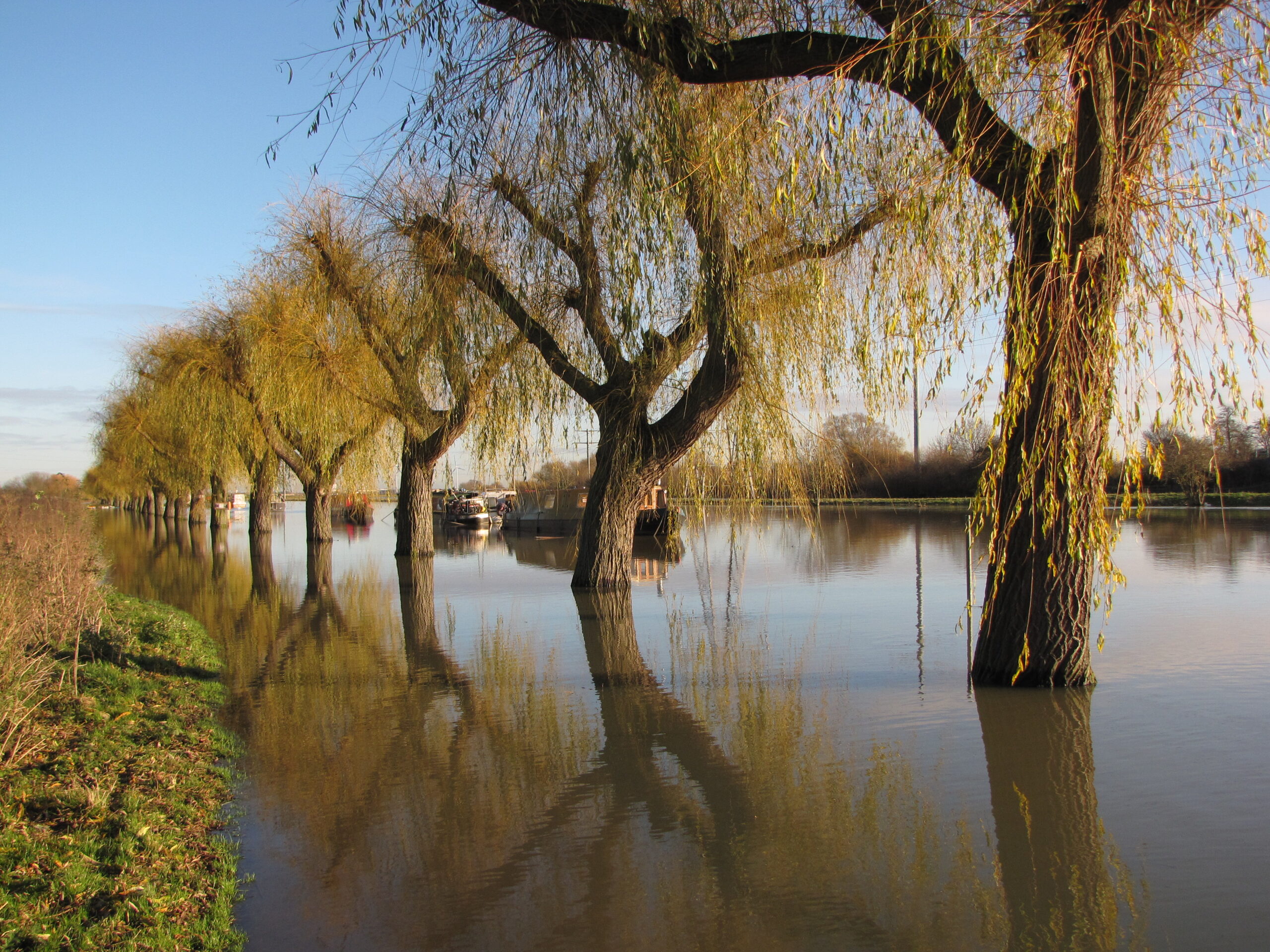
River flooding happens when a river or stream cannot hold the volume of water flowing through it and water spills over its banks onto nearby land.
Flooding from the sea
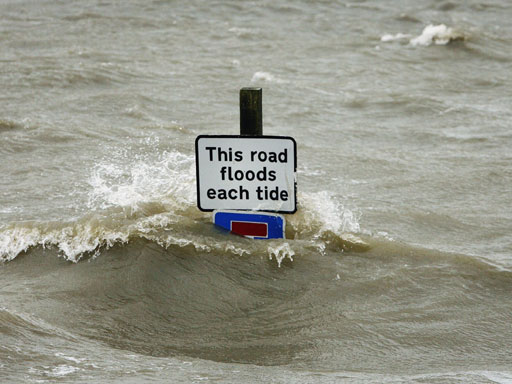
Coastal flooding happens when seawater reaches land that is normally dry. This can happen due to high tides, storm surges or large waves, especially when these occur together and overwhelm natural or man-made coastal defences.
Surface water and flash flooding
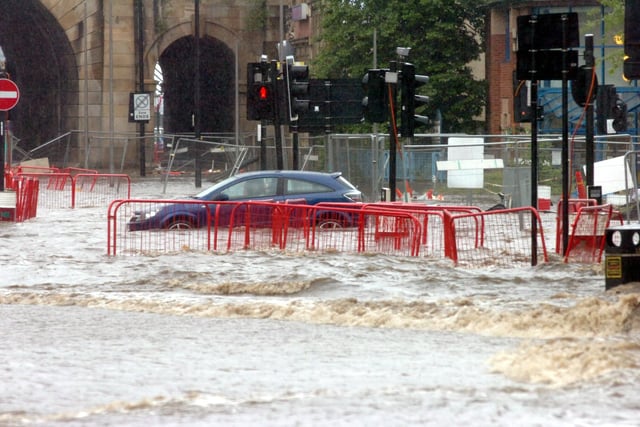
Surface water flooding happens when rainfall cannot drain away quickly enough and water collects on the ground. This can be affected by factors such as heavy rainfall, the type of soil, the capacity of drainage systems and the built environment.
Flash flooding is a very dangerous type of flooding, often caused by surface water. It happens when a lot of heavy rain falls in a short period of time.
Groundwater flooding
Groundwater flooding happens when water usually held below the ground in rocks and soil rises to the surface. Basements, cellars and other underground spaces are most at risk.
Flooding from rivers is more likely when groundwater levels are high.
Reservoir flooding
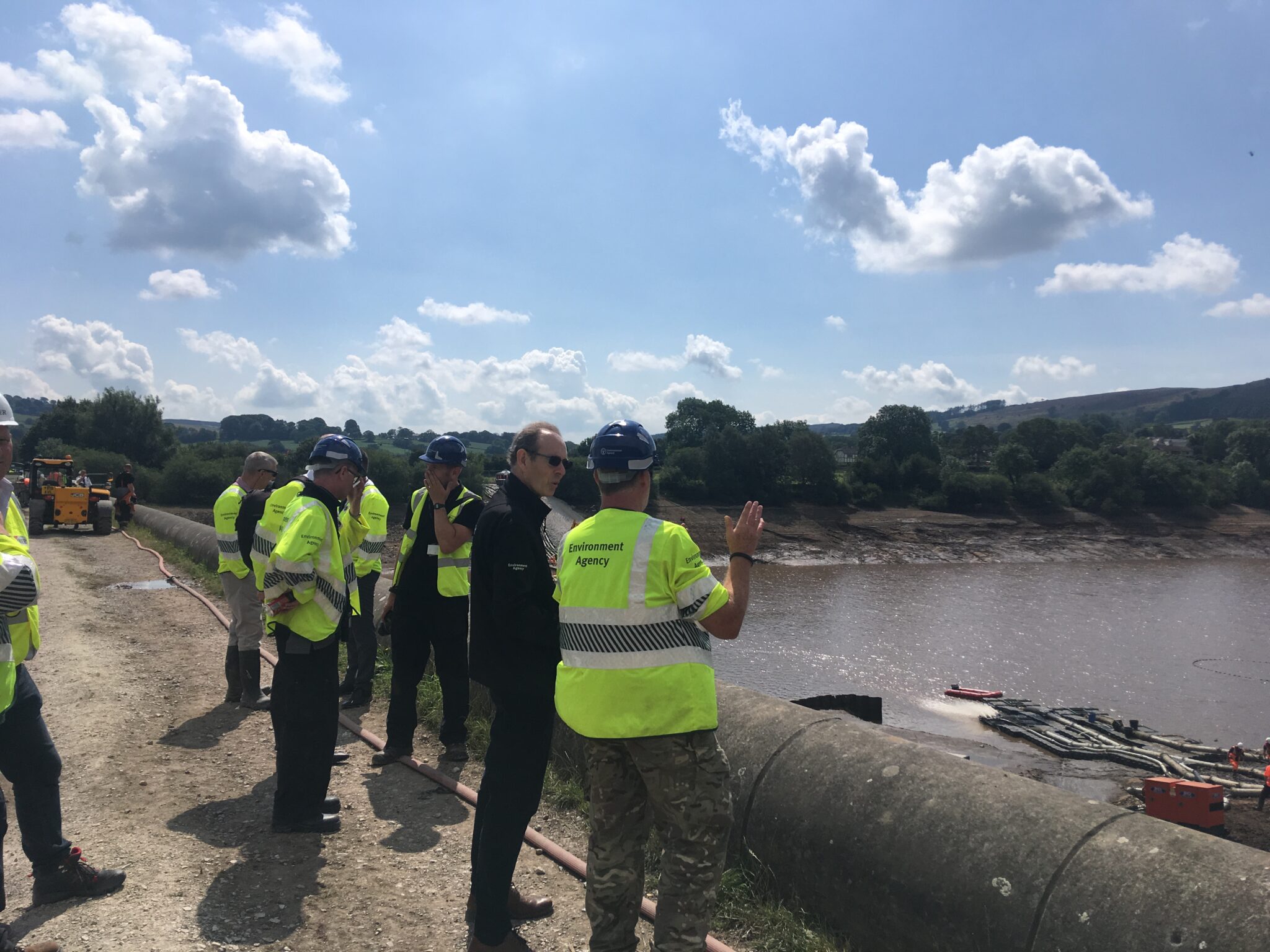
A reservoir is a large natural or artificial lake that is designed to collect and store water.
They are usually formed by building a dam across a river, or by building a large tank or surrounding embankment. If one of these dams or embankments fails, water could escape from the reservoir and flood land or properties. An area is considered at risk if people’s lives could be threatened.
Flooding from reservoirs is extremely unlikely. We have an excellent reservoir safety record in the UK.
Coastal erosion
What is coastal erosion
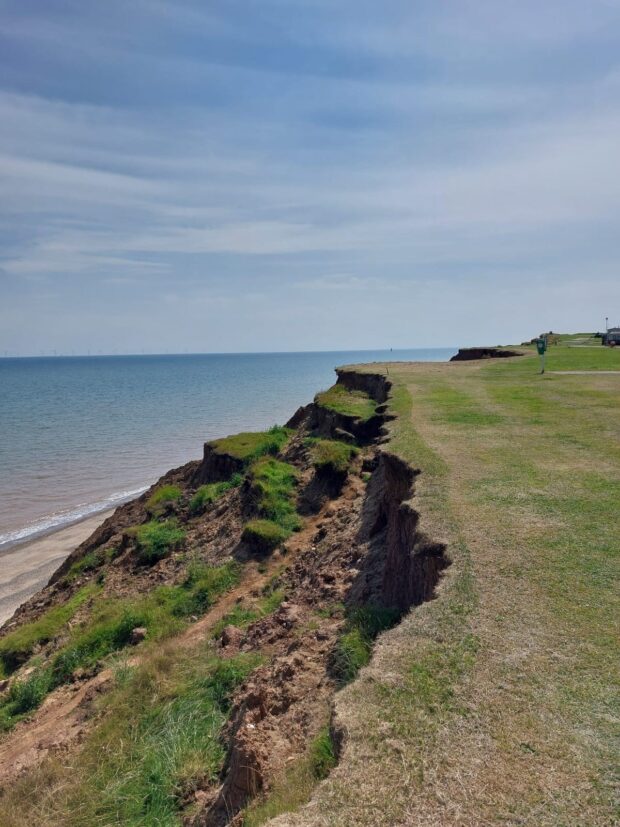
Coastal erosion happens when the sea, weather and groundwater gradually wear away the coastline. Over time, this can change the shape of the coast and move sand, rocks and other sediment along the shoreline.
Climate change is increasing the risk of coastal erosion. Rising sea levels and more frequent storms can increase the rate at which cliffs and coastline are worn away, leading to landslips and loss of land in some areas.
How coastal erosion and flooding from the sea work together
While distinct, these are closely linked. Severe storms can cause coastal flooding while at the same time drive powerful waves that accelerate erosion.
Additionally, as erosion wears down beaches and cliffs, it removes natural buffers, making the surrounding area more vulnerable to future coastal flooding.